

 ENG
ENG  русский
 Español
 عربى
عربىWhat is the difference between a fiber panel and a patch panel?
2026-01-26
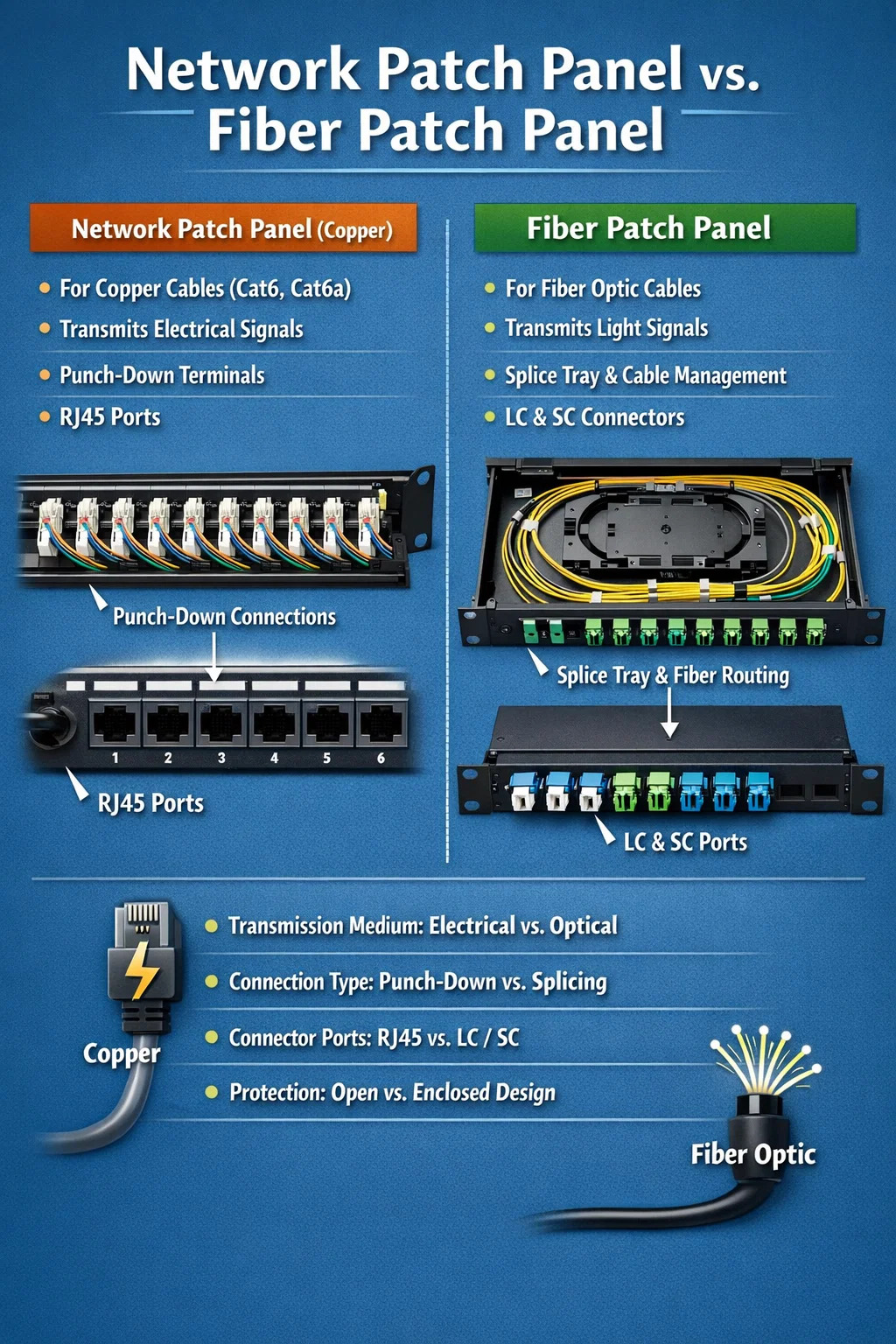
Although both fiber panels and traditional network patch panels have "patch panel" in their names and look somewhat similar, they serve completely different purposes and have entirely different internal working principles.
Content
1. Differences in Materials and Transmission Mediums
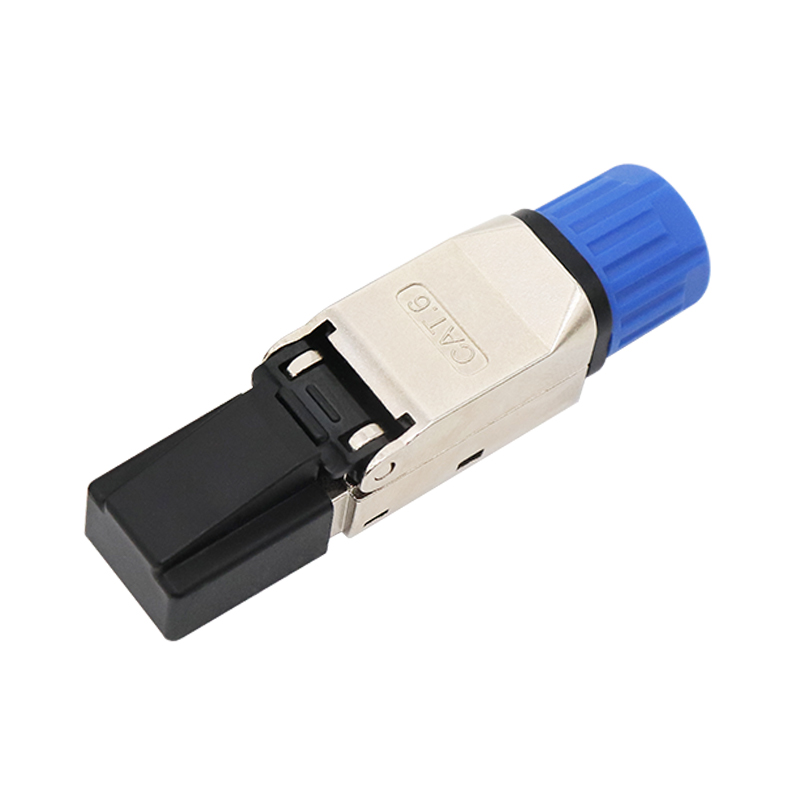
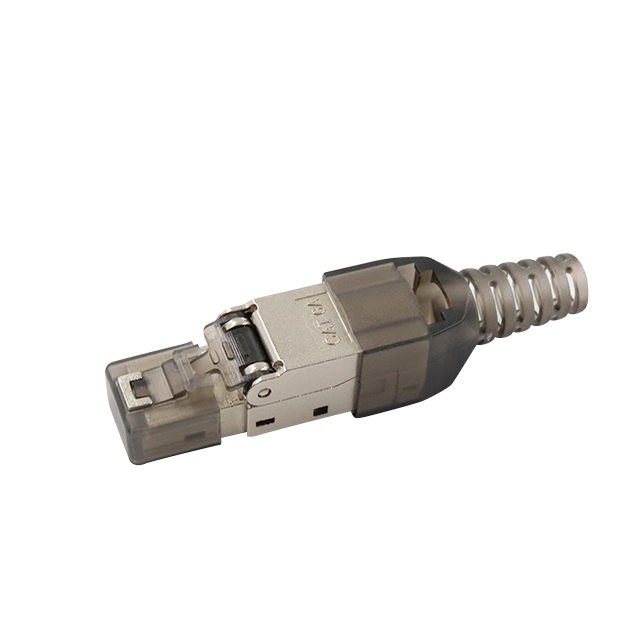
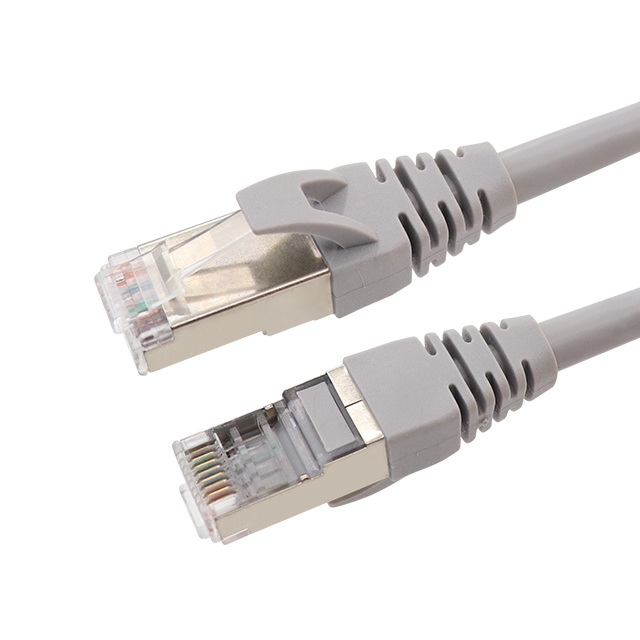
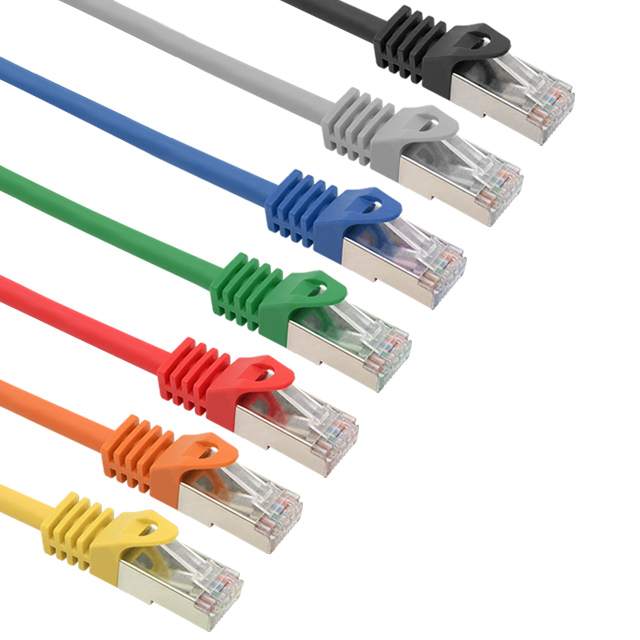
Network Patch Panel: It is designed for copper cables (i.e., the commonly used Cat6 or Cat6a network cables). It connects copper wires internally, transmitting data via electrical pulses.
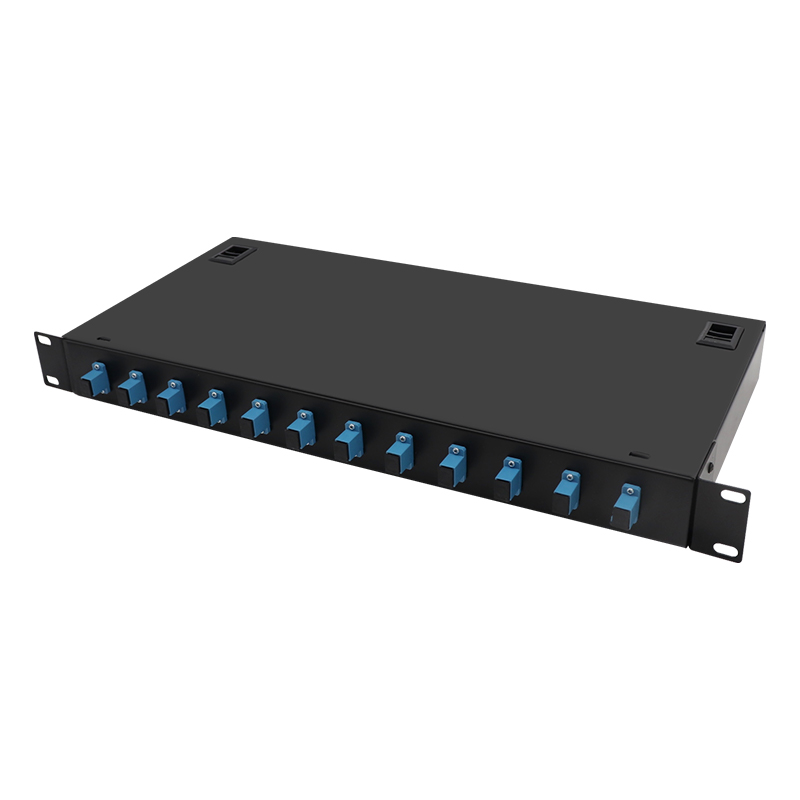
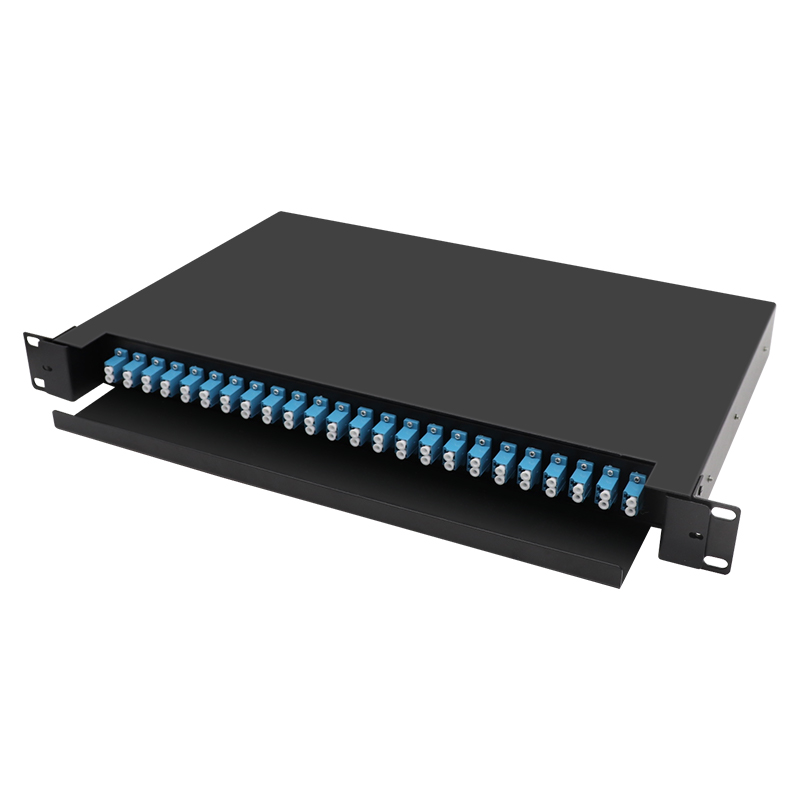
Fiber Panel: It is specifically designed for fiber optic cables. Fiber optic cables transmit light pulses, and the medium is extremely fine glass or plastic fibers.
2. Connection Methods and Internal Structure
Network Patch Panel (Copper Cable):
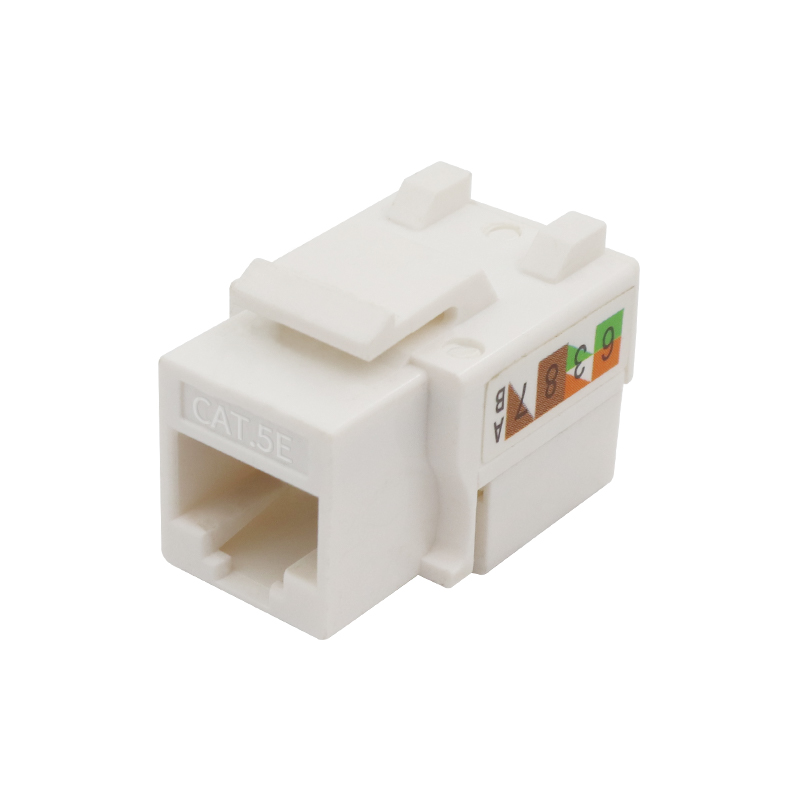
Rear-end fixing: Network cables are usually fixed by "punching down" (using a special tool to press the wire cores into metal grooves) or by directly plugging into keystone jacks.
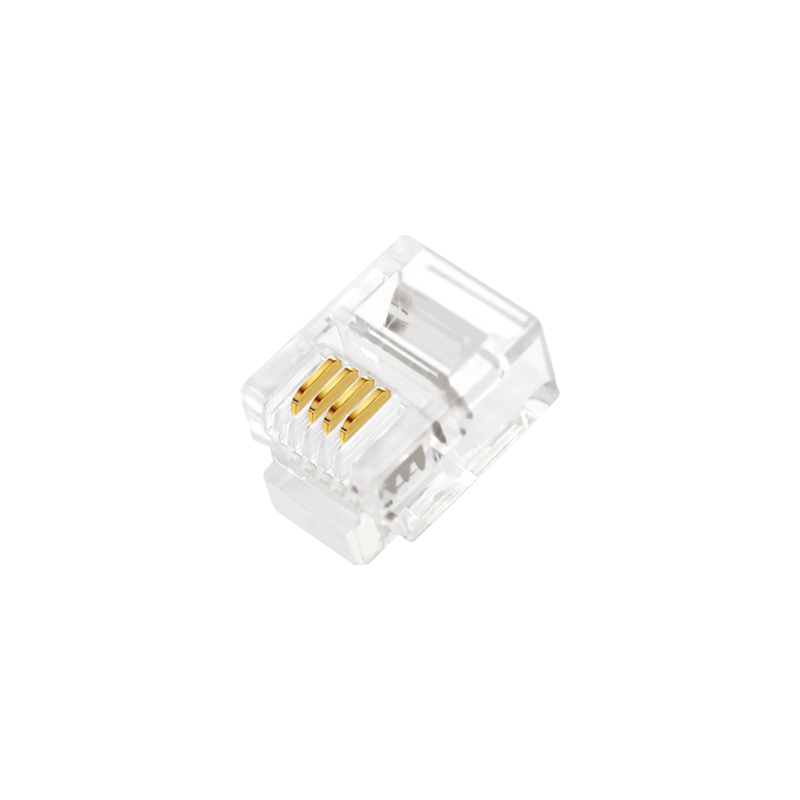
Front-end interface: The front usually features common RJ45 square connectors, just like the network ports on a computer.
Fiber Panel:
Rear-end protection: Fiber optic cables are very fragile and cannot be bent arbitrarily like copper wires. Therefore, fiber panels usually have a "tray" or "winding post" inside to protect and store excess fiber optic cables.
Splicing and coupling: It does not use punch-down technology, but connects through "splicing" (fusing two fiber optic cables together) or using adapters (couplers).
Front-end interface: The front features various types of fiber optic connectors (such as the circular ST, small square LC, or large square SC), which are much smaller and more precise than ordinary network ports.
3. Handling of "Fragility"
Network patch panels are relatively "robust." Pulling the network cable a little tight or bending it slightly usually won't affect its use.
Fiber panels are like a "high-end apartment." Because fiber optic cables are sensitive to dust, pressure, and excessive bending, fiber panels are usually fully enclosed or have covers to prevent dust and limit bending, preventing signal attenuation.
4. Differences in Flexibility
Copper cable patch panels are usually straightforward, with one cable per port.
Fiber panels often have a higher degree of modularity. Because fiber optic cables come in single-mode and multi-mode varieties, and there are many different connector types, many fiber optic panels allow you to replace the adapter panels as needed.
Are you ready to
cooperate with PUXIN?
cooperate with PUXIN?
Contact us to find out how our products can transform your business and
take it to the next level.

Ningbo Puxin Electronic Technology Co., Ltd. is a professional supplier of electrical engineering and integrated wiring product research and development and manufacturing.
Quick Links
Products
Keep In Touch
-

No.43 of Xiaotuanpu Road, Guanhaiwei Town, Cixi Ningbo City, Zhejiang, China
-

-

8615924366333
-

Mobile web