

 ENG
ENG  русский
 Español
 عربى
عربىShould I use a patch panel for home network?
2026-01-19
Whether or not you should install a network patch panel in your home depends on your requirements for network "neatness" and "long-term planning." While many home renovations simply involve pulling network cables out of the wall and crimping on connectors, adding a patch panel can significantly improve your home network.
Content
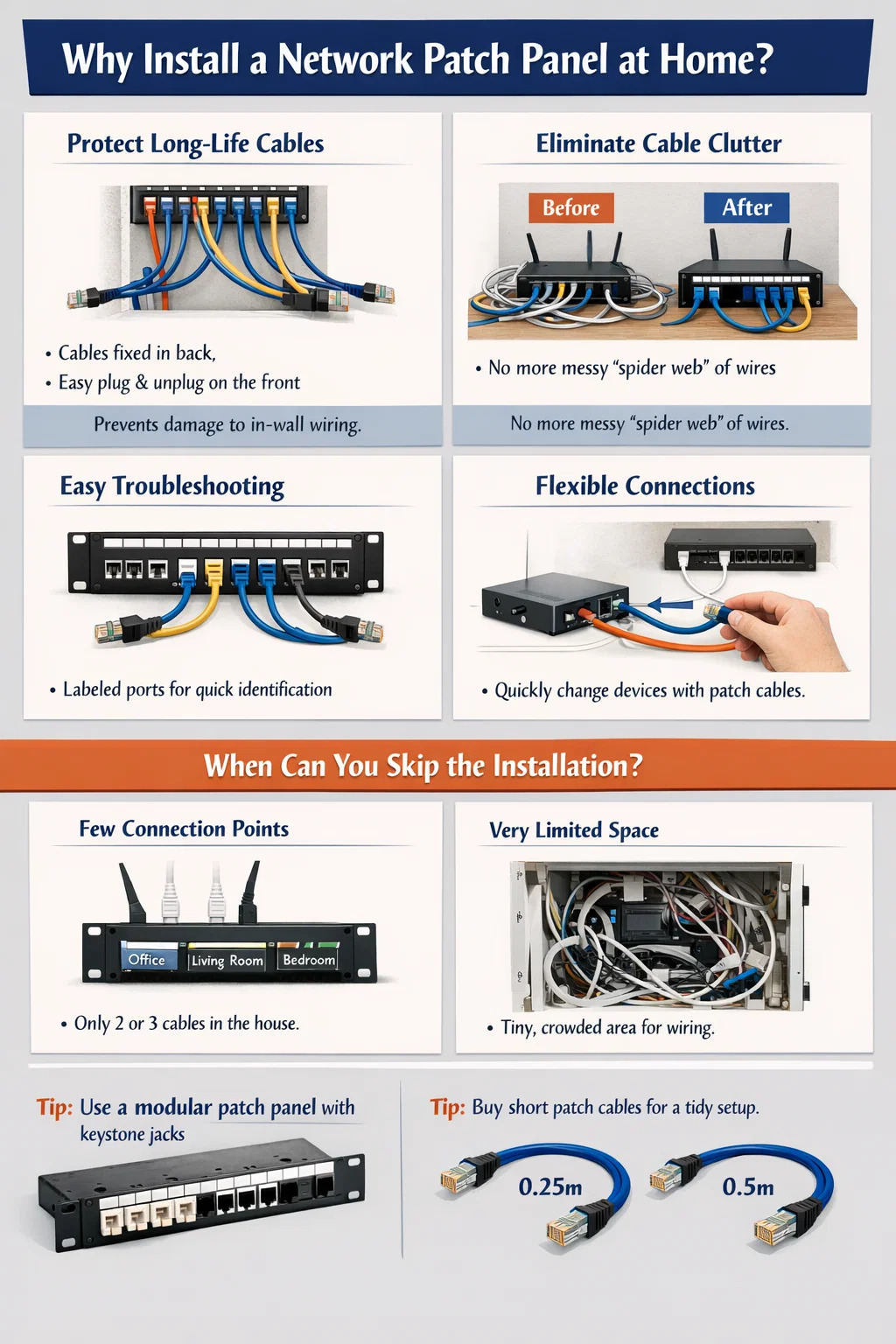
⇨ Why install a Network Patch Panel at home?
Protecting the "long-life" cables in the wall:
Network cables buried in the wall are usually quite rigid, and frequent plugging, unplugging, and bending can easily cause the internal copper wires to break. Once the cable in the wall breaks, repairs are very troublesome. With a network patch panel, the cables in the wall are permanently fixed to the back, and you only plug and unplug inexpensive short patch cables on the front. This is like buying "insurance" for your expensive home wiring.
Say goodbye to "spider webs" and "tangled messes":
If you have cables running to every room in your house, there might be 5 to 10 network cables in the low-voltage box. Plugging them directly into the router results in a messy tangle of wires, making it impossible to close the cabinet door. With a patch panel, all the cables are neatly arranged in a row, each port is numbered, which is visually pleasing.
Troubleshooting without guesswork:
When a room suddenly loses internet connection, if the cables aren't labeled, you have to unplug and test each cable one by one. But with a network patch panel, you can clearly label each port (e.g., "Study," "Living Room"). You can easily identify and troubleshoot the problematic connection, making maintenance much easier.
Flexible network structure adjustment:
If you want the living room port to connect to the router today, and directly to the set-top box tomorrow, you only need to change a short patch cable on the front of the patch panel, without having to crawl under the table to deal with the long cables buried in the wall.
⇨ When can you skip the installation?
Very few connection points:
If you only have two or three network cables in your entire house, plugging them directly into the back of the router is indeed simpler and saves you the cost and space of a patch panel.
Extremely limited space:
Some older houses have very small low-voltage boxes that simply cannot accommodate a standard network patch panel. In this case, forcing the installation will only make the interior more crowded.
⇨ Practical Advice for Home Users
Choose a modular patch panel (empty panel):
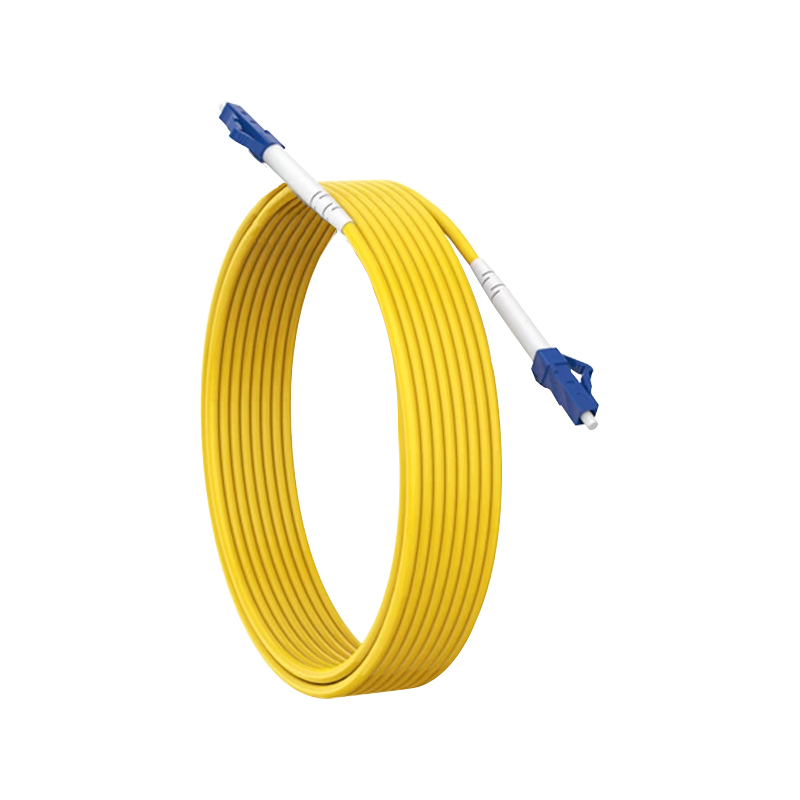
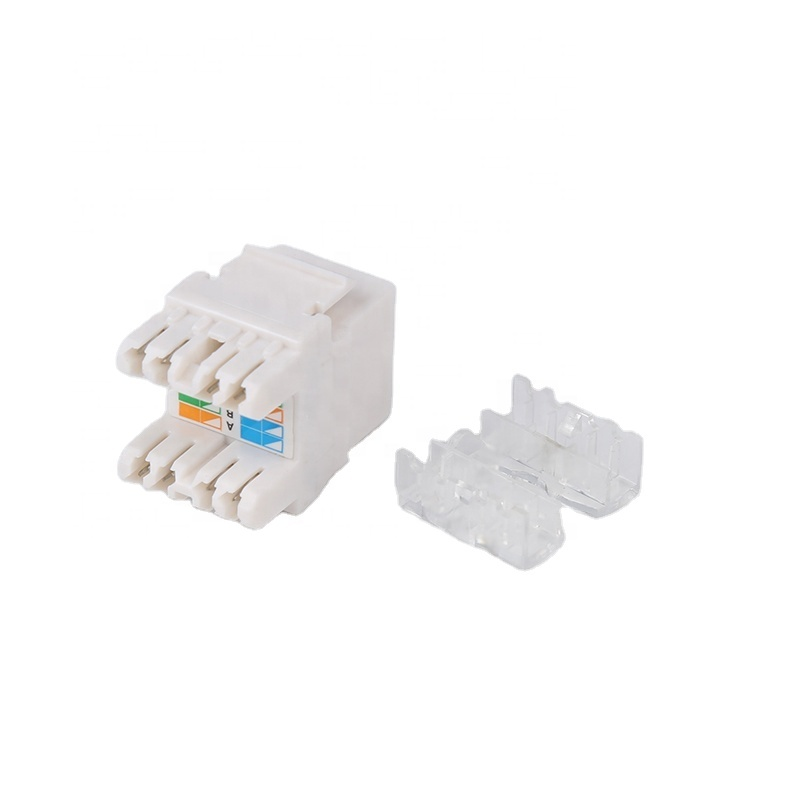
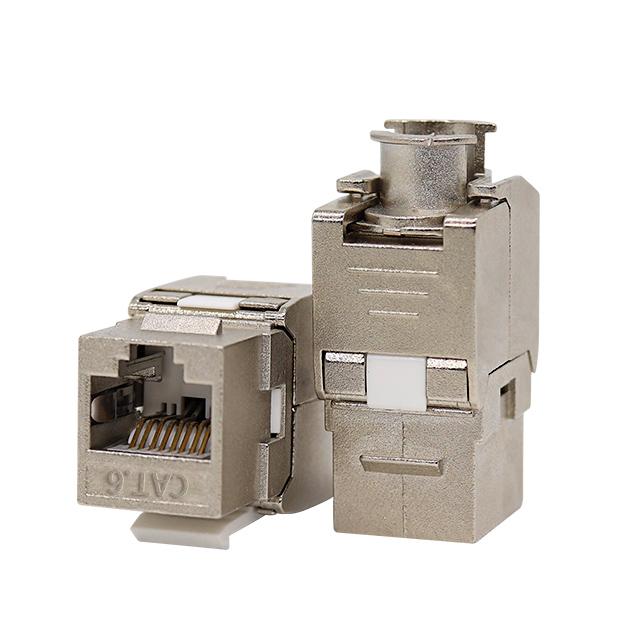
It is highly recommended to buy an empty panel that can be used with keystone jacks. This allows you to mix and match different connectors on the panel as needed, such as 4 Ethernet ports, 1 fiber optic port, or even a port for your old home telephone.
Choose the right location:
The patch panel should be placed at the central point where your home network cables converge, usually in the low-voltage box in the entryway or in a cabinet in the study.
Use with short patch cables:
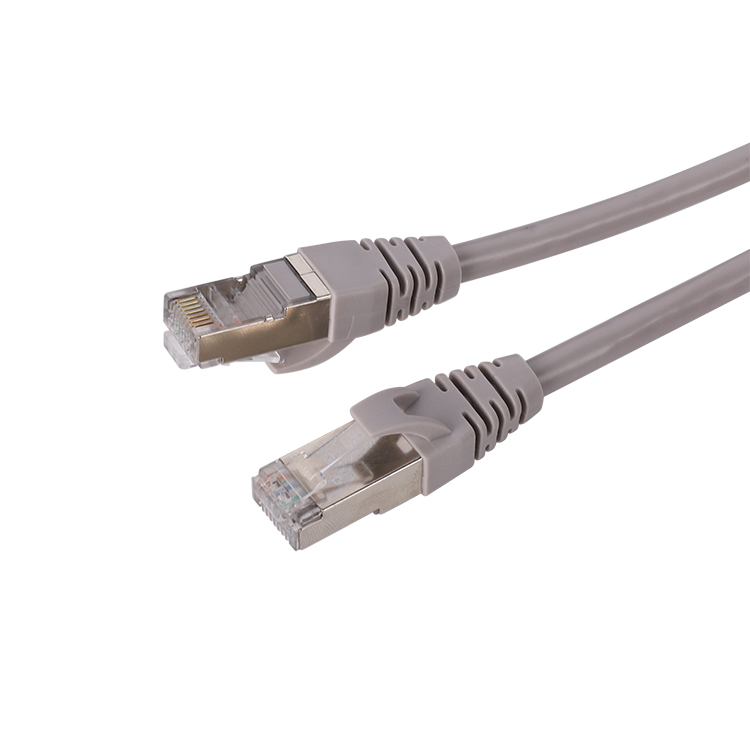
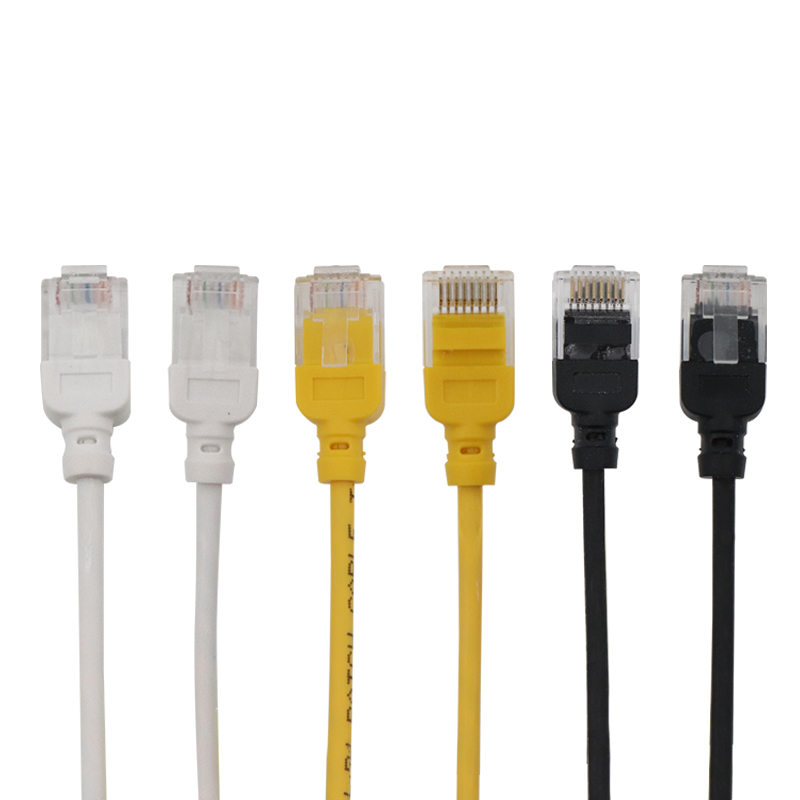
Once you've installed the patch panel, be sure to buy some ultra-short network cables (patch cables) of 0.25 meters or 0.5 meters to connect the patch panel to the switch/router for the neatest setup.
Are you ready to
cooperate with PUXIN?
cooperate with PUXIN?
Contact us to find out how our products can transform your business and
take it to the next level.

Ningbo Puxin Electronic Technology Co., Ltd. is a professional supplier of electrical engineering and integrated wiring product research and development and manufacturing.
Quick Links
Products
Keep In Touch
-

No.43 of Xiaotuanpu Road, Guanhaiwei Town, Cixi Ningbo City, Zhejiang, China
-

-

8615924366333
-

Mobile web