

 ENG
ENG  русский
 Español
 عربى
عربىAre patch panels still used?
2026-01-12
In today's world, where wireless networks (Wi-Fi) are becoming increasingly common, many people might think that physical cables and network patch panels are outdated.
However, in professional cabling projects, data centers, and even in renovations with high network requirements, network patch panels remain an indispensable "core component."
Content
Here are the detailed reasons:
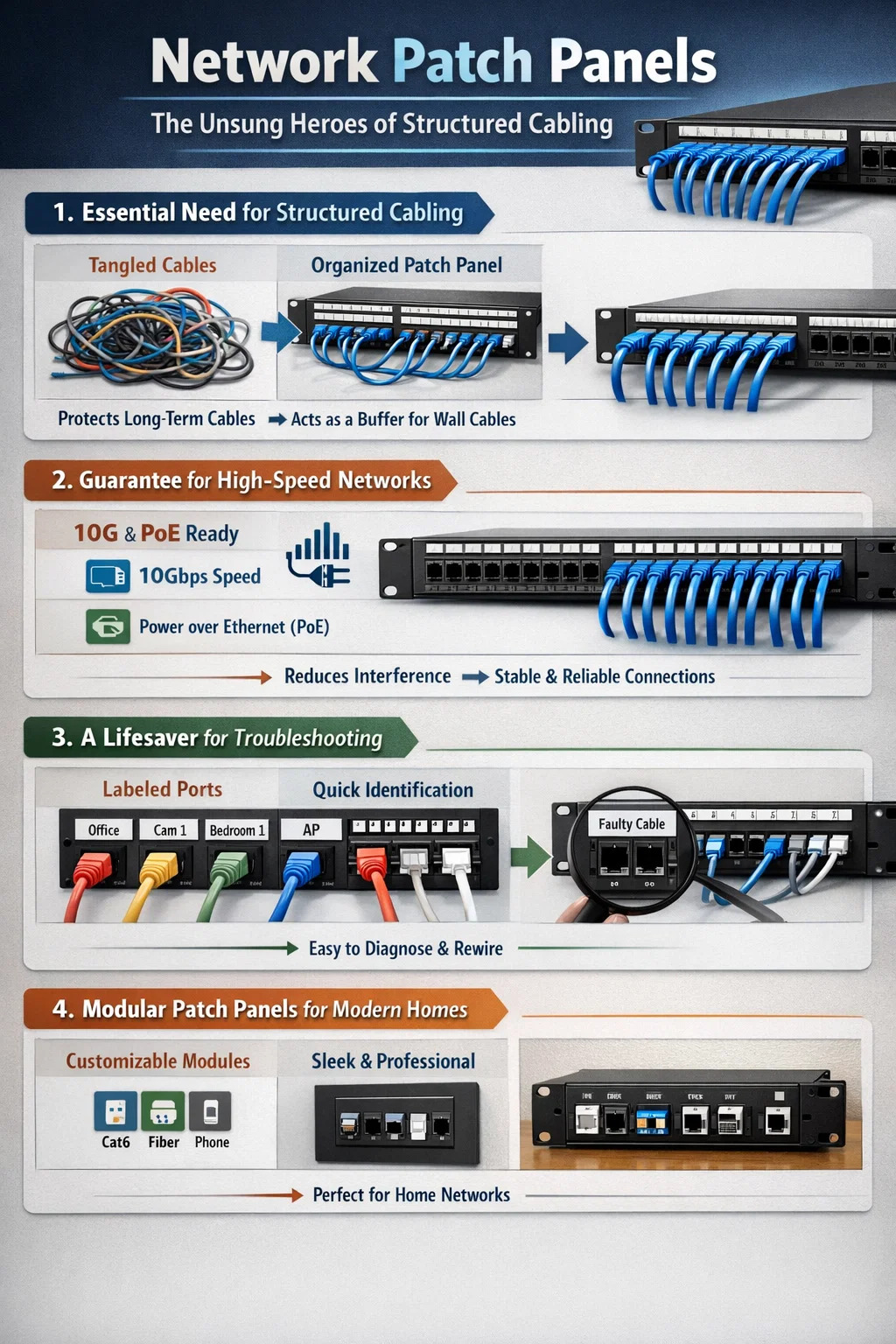
1. The "Essential Need" for Structured Cabling
Modern network construction emphasizes "structured cabling." Although mobile phones use Wi-Fi, the most stable connection method for Wi-Fi access points (APs), smart TVs, surveillance cameras, and office computers is still using network cables.
From chaotic to organized: Without a network patch panel, dozens of network cables running from various rooms would look like a tangled mess of "noodles." The patch panel neatly organizes these cables, giving each cable its own designated location.
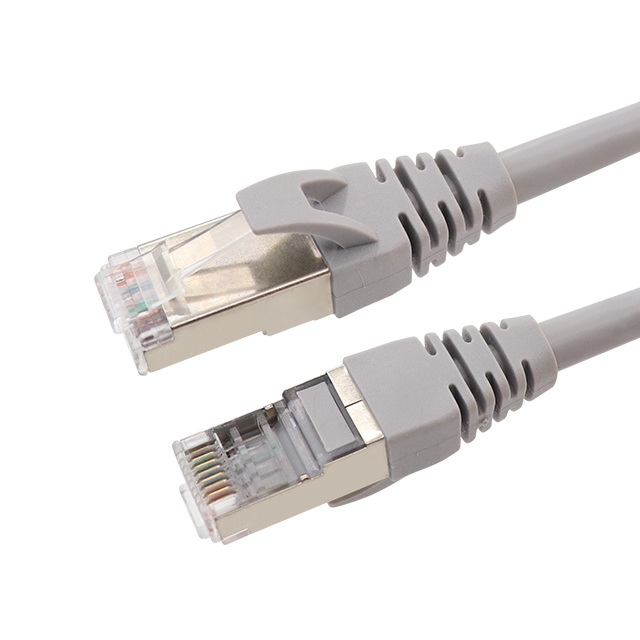
Physical layer protection: The network cables inside the walls are usually rigid. If they are plugged directly into a switch, frequent plugging and unplugging and movement can cause the wire cores to break. The patch panel acts as a buffer; it remains stationary, and you only move the short patch cables on the outside, protecting the expensive long cables inside the wall.
2. Guarantee for High-Speed Networks (10G and above)
With the increasing popularity of Cat6a and even higher-specification cables, network speeds are reaching 10Gbps.
Reduced interference: At high transmission speeds, the neatness of the cables directly affects signal quality. Network patch panels, combined with keystone jacks, provide very stable physical connection points, reducing interference caused by crossed and twisted wires.
Power over Ethernet (PoE) requirements: Modern surveillance and various IoT devices require power through network cables (PoE). The patch panel makes these complex power supply logics clear; it's easy to see which cable is powered and which device it's connected to on the panel.
3. A "Lifesaver" for Maintenance and Troubleshooting
If your network goes down, and you're faced with 48 identical network cables, you won't know which one is which.
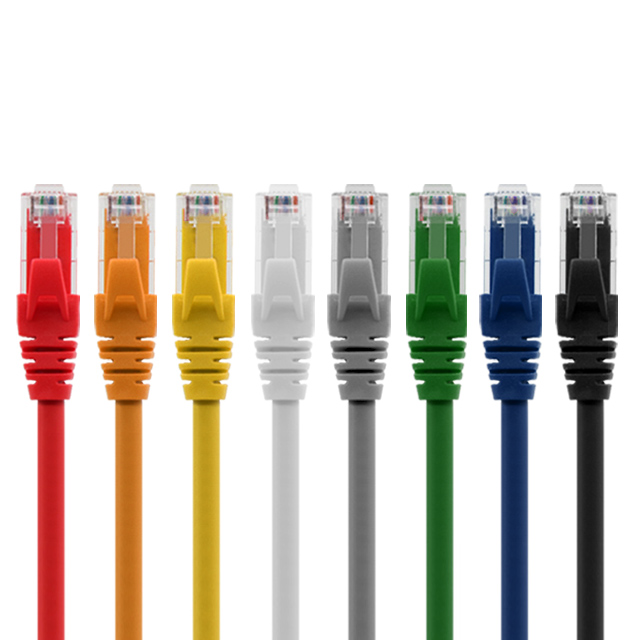
Precise localization: With a network patch panel, you can label each port (e.g., "Bedroom 1," "Front Desk"). If a problem occurs, you can pinpoint the faulty line in seconds. Flexible Rewiring: If you want to switch a network port in a room from the "internal network" to the "external network," you don't need to touch the wires inside the wall; you simply need to change the patch cord connection on the front of the patch panel.
4. The New Favorite for Modern Home Wiring: Modular Patch Panels
Many home renovations are now adopting small network patch panels:
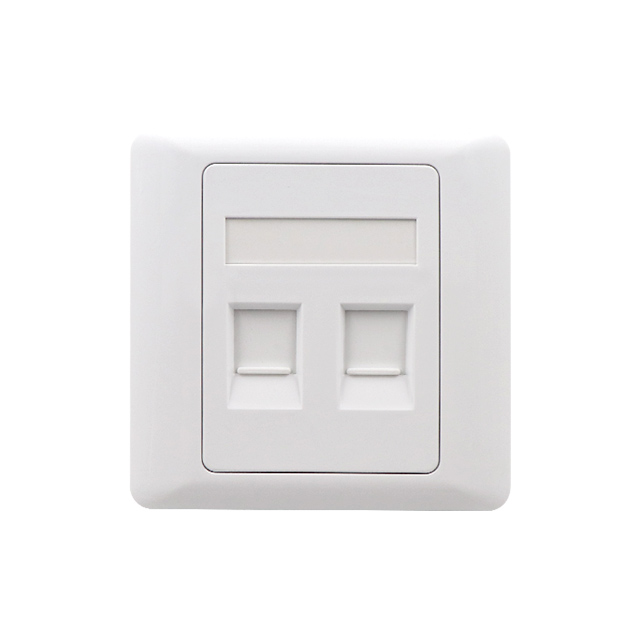
Improved Aesthetics: Compared to a low-voltage box crammed with RJ45 connectors and messy wires, a neat modular panel makes the home look very professional.
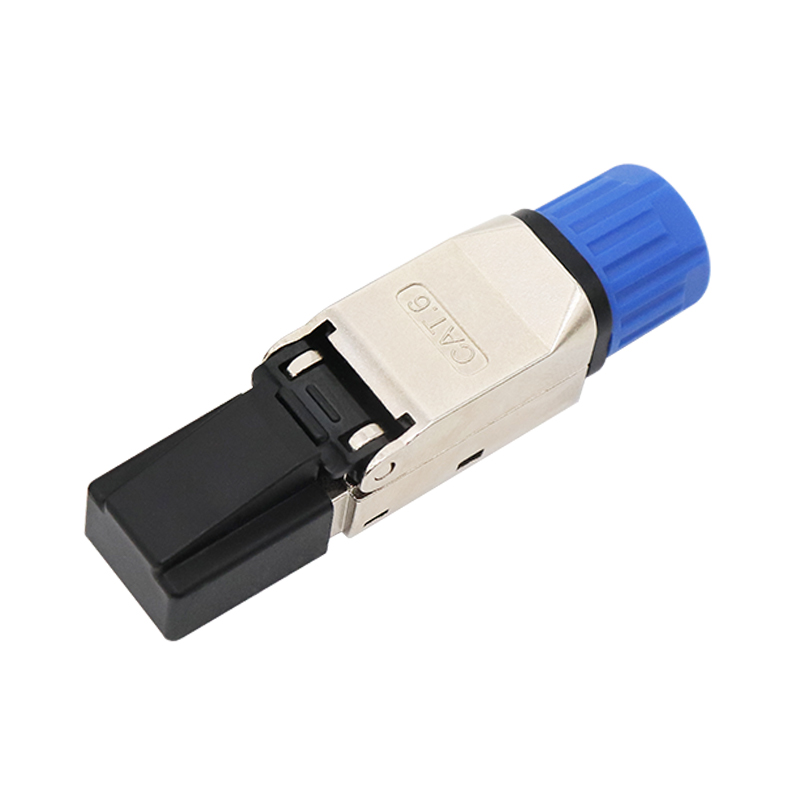
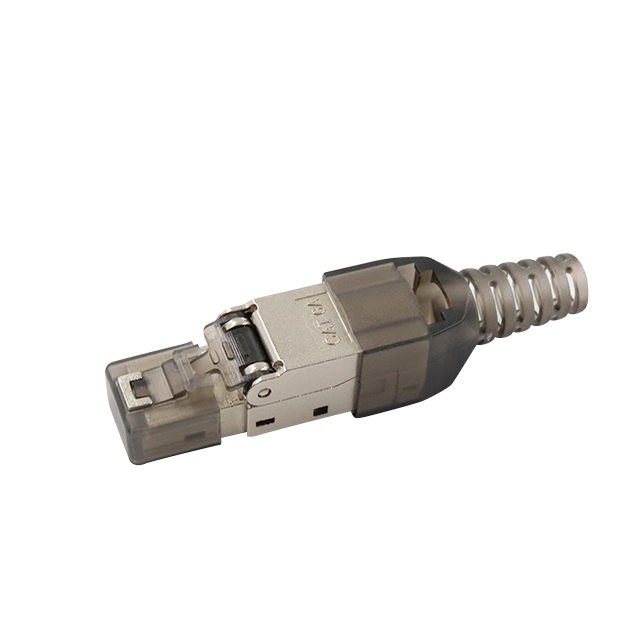
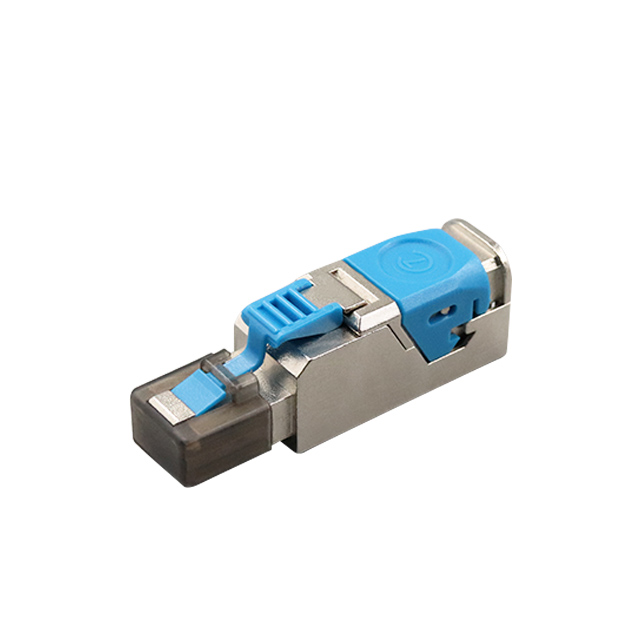
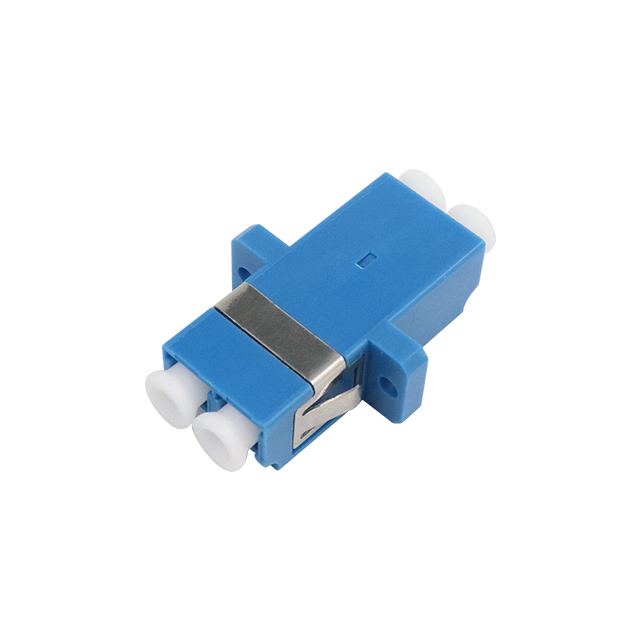
Free Combination: Many modern patch panels are "empty panels," allowing you to insert Cat6 network modules, fiber optic modules, or even telephone modules as needed. This high degree of customization ensures its continued relevance in 2026.
Are you ready to
cooperate with PUXIN?
cooperate with PUXIN?
Contact us to find out how our products can transform your business and
take it to the next level.

Ningbo Puxin Electronic Technology Co., Ltd. is a professional supplier of electrical engineering and integrated wiring product research and development and manufacturing.
Quick Links
Products
Keep In Touch
-

No.43 of Xiaotuanpu Road, Guanhaiwei Town, Cixi Ningbo City, Zhejiang, China
-

-

8615924366333
-

Mobile web