

 ENG
ENG  русский
 Español
 عربى
عربىWhat is a patch panel network? I'll tell you the answer.
2026-01-05
A network patch panel is like the "central control panel" or "junction box" of the entire network cabling system.
If you compare the network ports on the walls of your company or home to electrical outlets, then the patch panel is the "power strip" that centrally manages these outlets.
Content
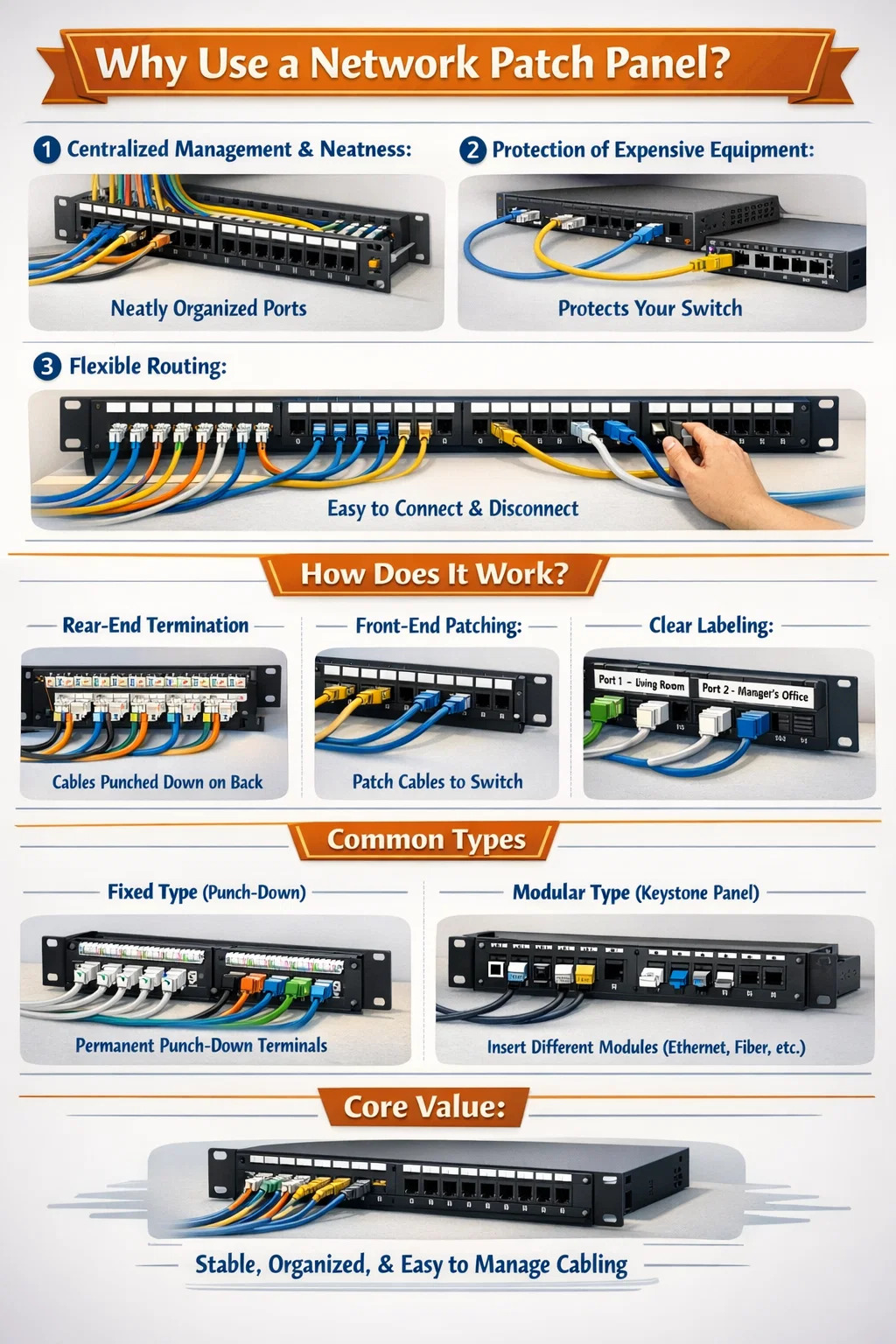
1️⃣ Why use a Network Patch Panel?
Centralized Management and Neatness:
Imagine if you had network cables from 20 rooms directly connected to a switch; if the cables get tangled, it would be a mess. With a network patch panel, all the long cables coming out of the walls are neatly secured to the back of the panel, while the front has a series of neatly arranged ports.
Protection of Expensive Equipment:
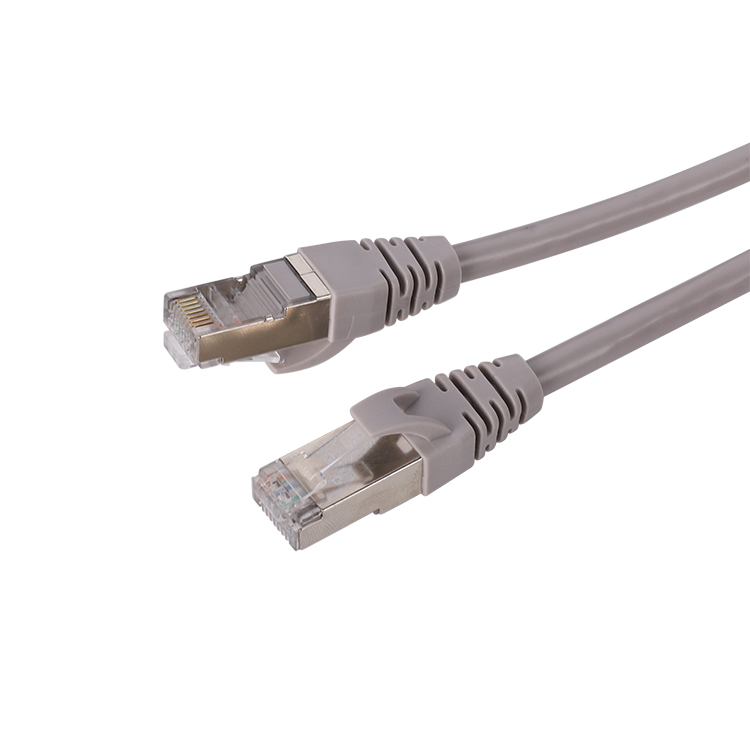
The network cables in the walls are usually quite rigid (single-strand copper core), and frequent plugging and unplugging can easily break or damage the switch's ports. Using a patch panel, you can connect the patch panel and the switch with flexible patch cables. Even if frequent connection changes are needed, only the inexpensive patch cables will be damaged, not the main cables in the wall.
Flexible Routing:
If you want to provide network access to room 1, simply find the corresponding port on the network patch panel and connect it to the switch with a short patch cable. Want to disconnect? Just unplug the patch cable; there's no need to touch the cables in the wall.
2️⃣ How does it work?
Rear-end Termination: The network cables (usually Cat6 or Cat6a) pulled from various rooms during renovation are "terminated" on the back of the patch panel. This process is called "punching down," and the cable ends are permanently fixed there and do not move.
Front-end Patching: The front of the patch panel has a row of standard network cable interfaces. You simply use short network cables (patch cables) to connect the ports on the patch panel to the adjacent network switch, and the network is connected.
Clear Labeling: Patch panels usually have label slots. You can clearly label "Port 1 - Living Room," "Port 2 - Manager's Office," making troubleshooting network problems much easier.
3️⃣ Common Types
Fixed Type (Punch-down type): The interfaces are already fixed on the panel; you simply press the wire cores into place.
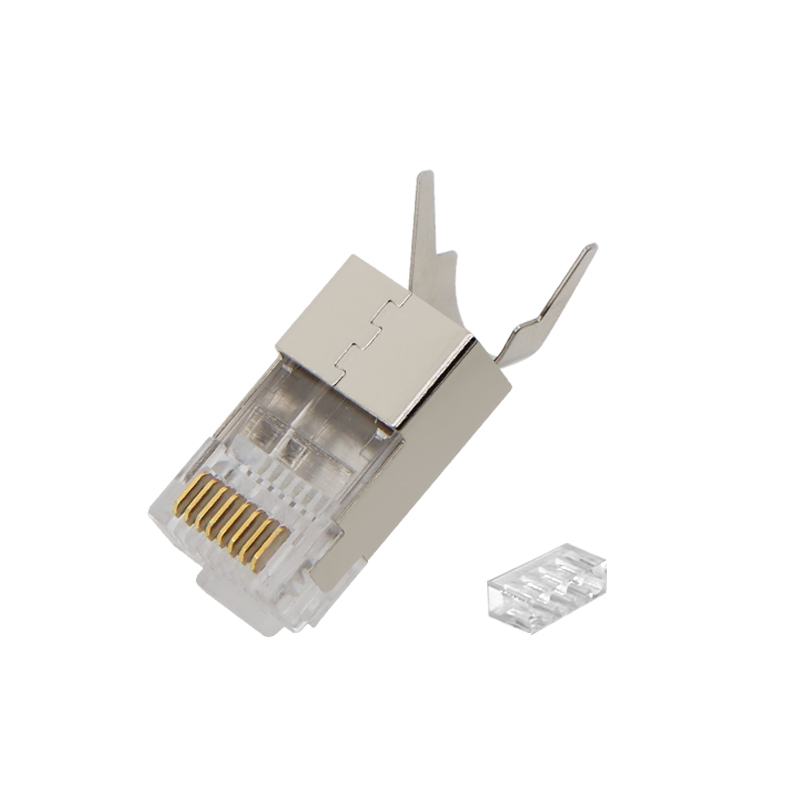
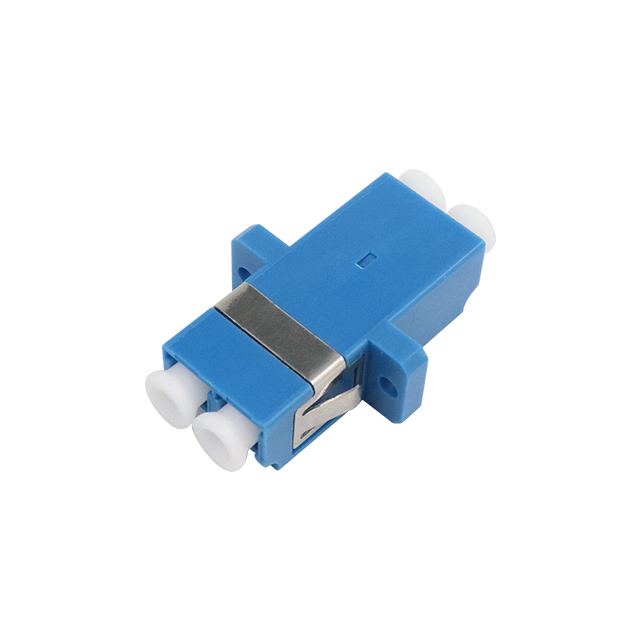
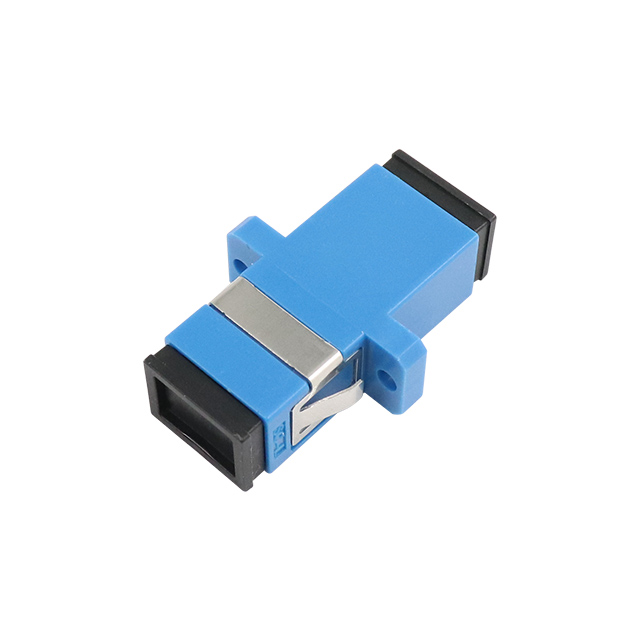
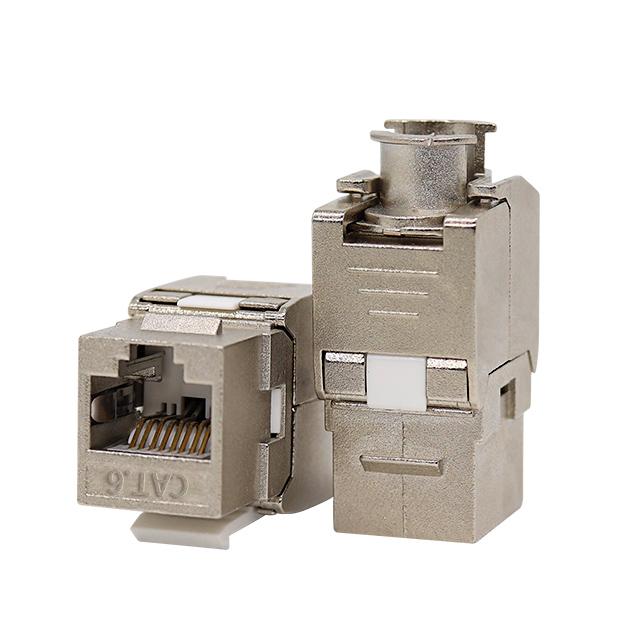
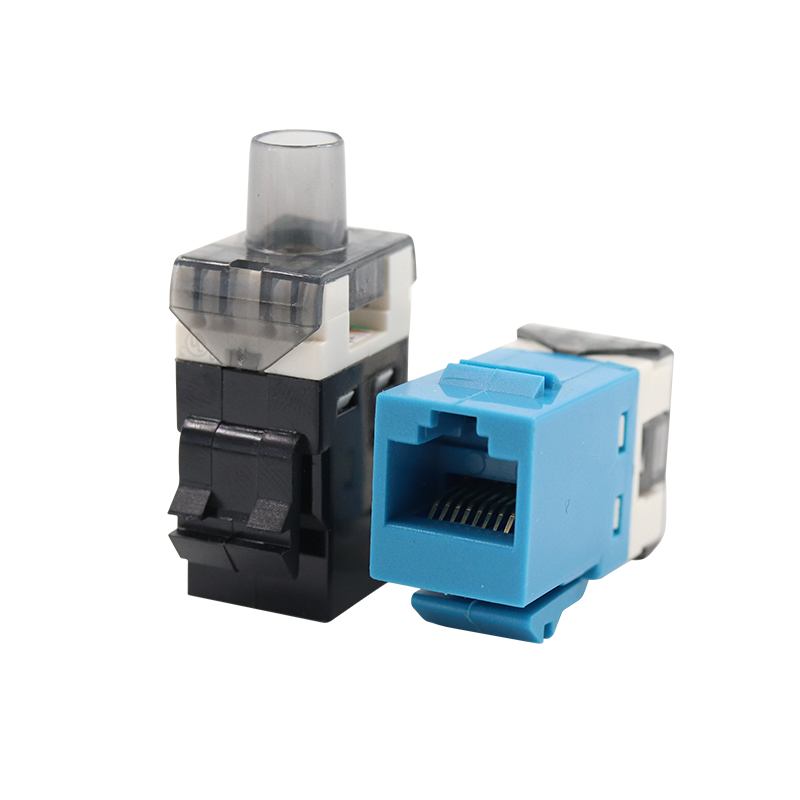
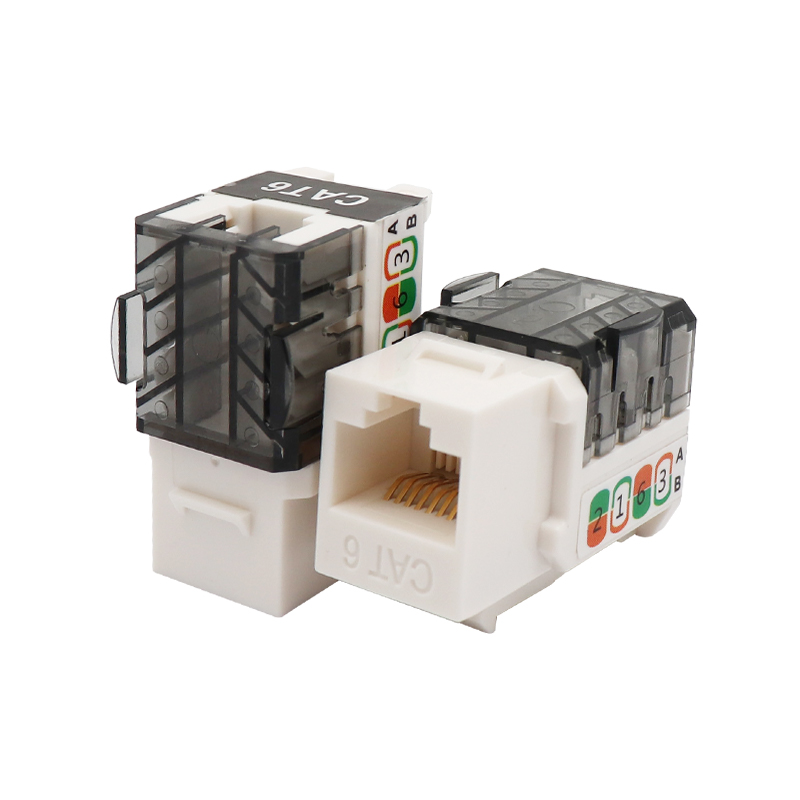
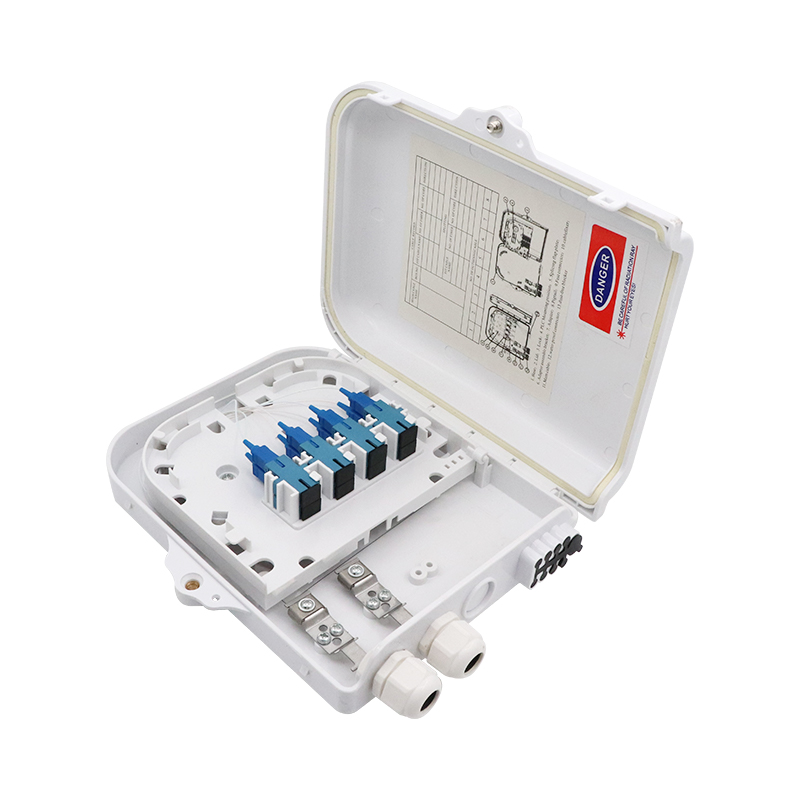
Modular Type (Empty Panel type): The panel only has holes; you can insert different types of keystone jacks as needed (for example, some holes can be fitted with network cable modules, others with fiber optic modules). This method is the most flexible and is currently a very popular approach.
4️⃣ Core Value
The purpose of a network patch panel is not to make the network faster, but to make it more stable, aesthetically pleasing, and easier to maintain. It is the dividing line between professional and messy cabling.
Are you ready to
cooperate with PUXIN?
cooperate with PUXIN?
Contact us to find out how our products can transform your business and
take it to the next level.

Ningbo Puxin Electronic Technology Co., Ltd. is a professional supplier of electrical engineering and integrated wiring product research and development and manufacturing.
Quick Links
Products
Keep In Touch
-

No.43 of Xiaotuanpu Road, Guanhaiwei Town, Cixi Ningbo City, Zhejiang, China
-

-

8615924366333
-

Mobile web