

 ENG
ENG  русский
 Español
 عربى
عربىWhat is the difference between a patch panel and a Poe switch?
2026-02-16
Content
Direct Comparison: Patch Panel vs. PoE Switch
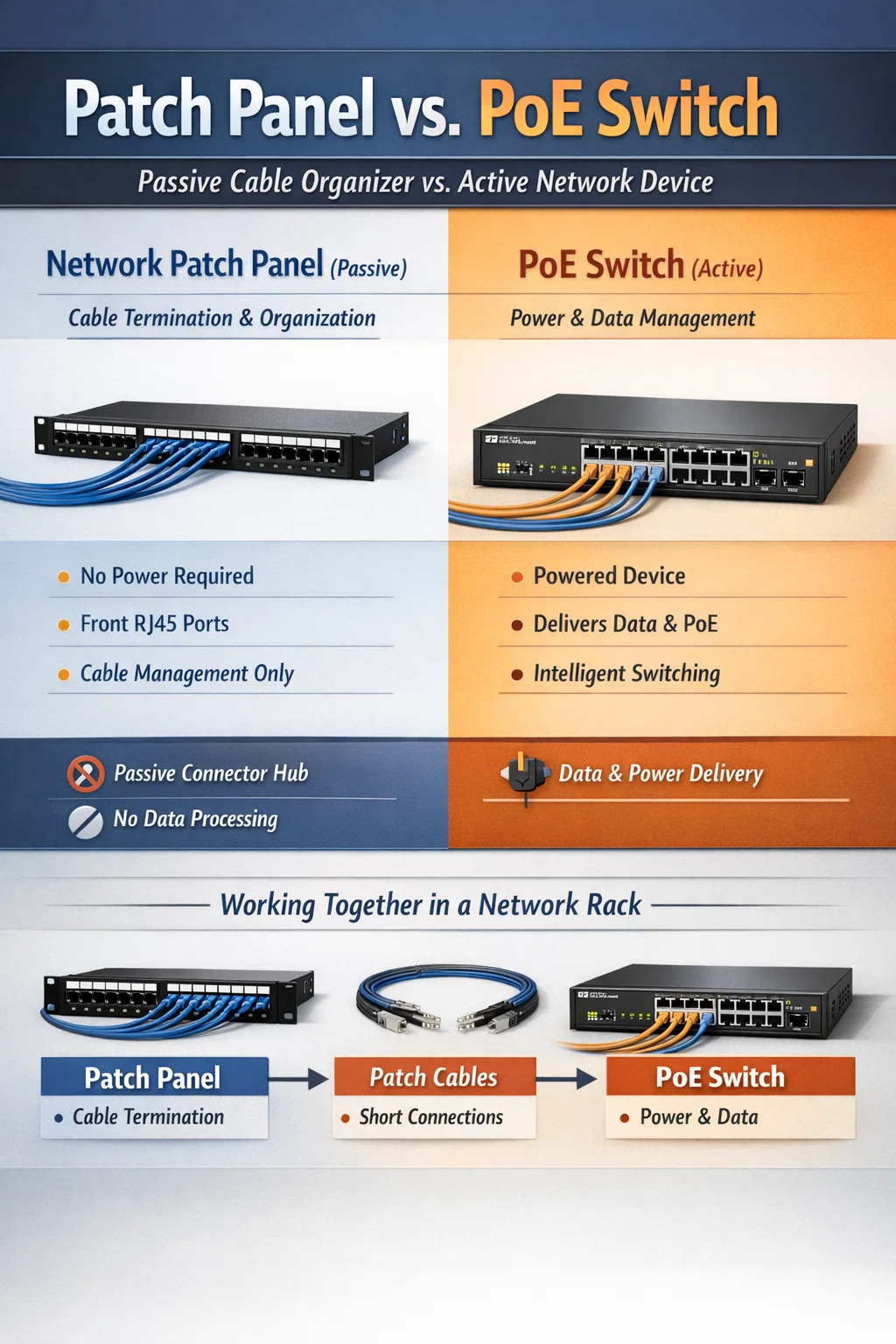
The primary difference lies in their fundamental nature: a network patch panel is a passive hardware component used for cable organization and termination, whereas a PoE switch is an active electronic device that manages data traffic and delivers electrical power over Ethernet cables. A patch panel does not require electricity and cannot process data; a PoE switch requires a power source and acts as the "brain" of the local network.
In a professional installation, these two are not competitors but partners. The patch panel provides a static landing point for all building wires, and the PoE switch provides the connectivity and power needed to make those wires functional for devices like IP cameras, VoIP phones, and wireless access points.
Defining the Network Patch Panel
A network patch panel serves as the central nervous system for physical cabling. It is essentially a bridge between the long runs of cabling hidden inside walls and the networking equipment sitting in a rack.
Structural Integrity and Organization
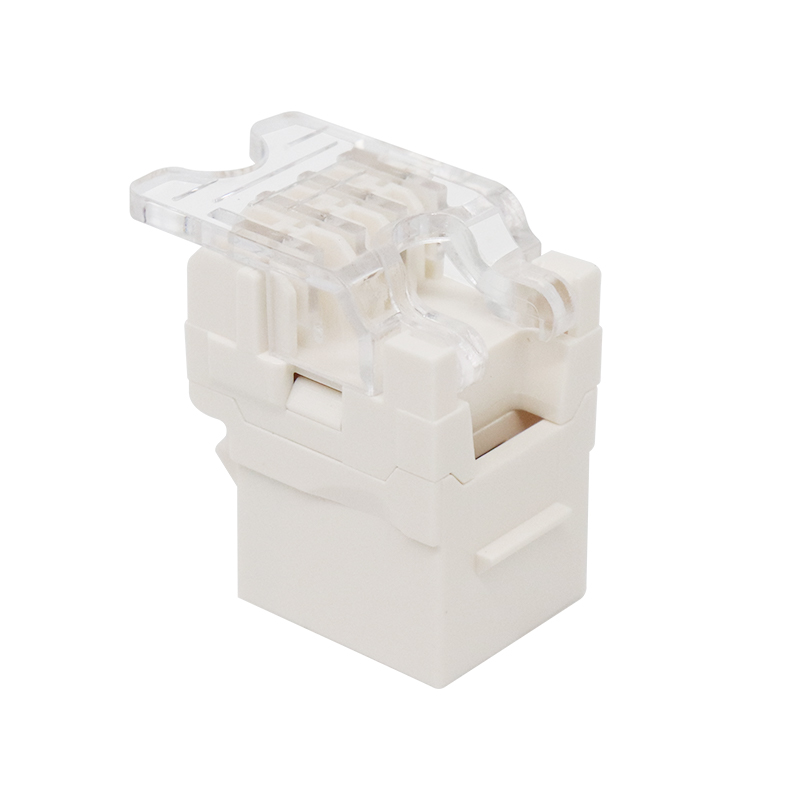
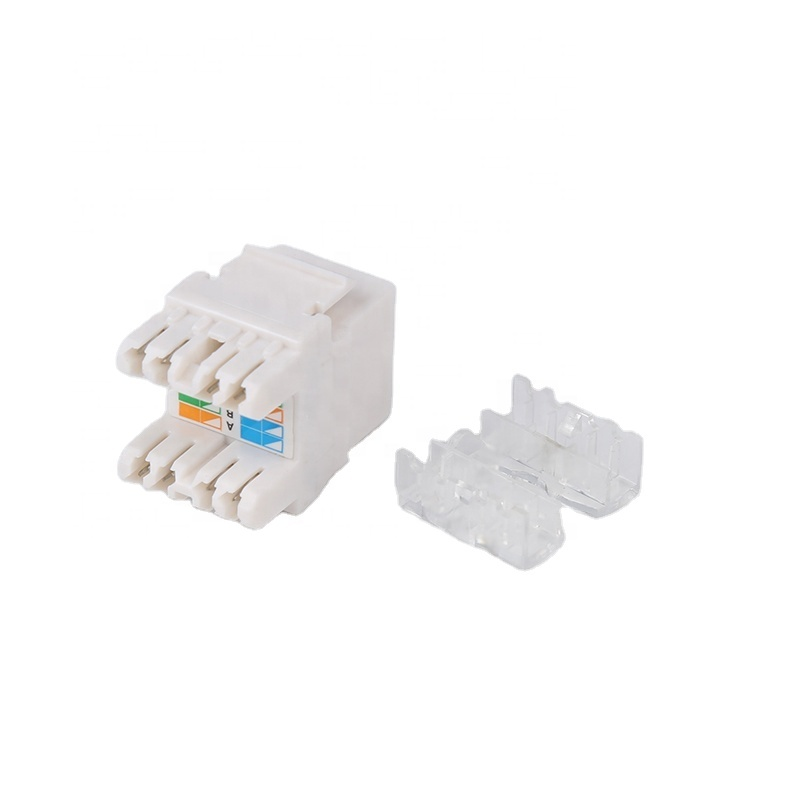
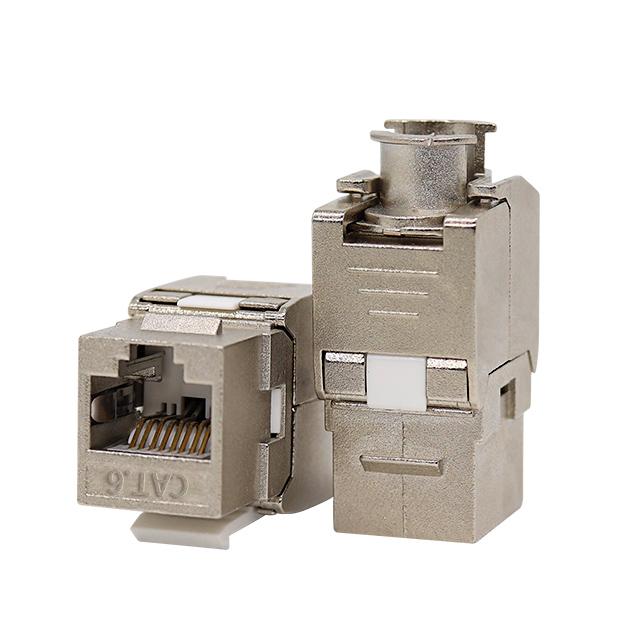
Typically, a patch panel features a front-facing row of RJ45 ports and a rear side where bulk cables are "punched down" or connected via keystone jacks. Because the patch panel is passive, it offers no signal amplification or data management. Its sole purpose is to keep cables organized and labeled, preventing the chaos of tangled wires.
- Prevents wear and tear on expensive switch ports by providing a sacrificial interface for frequent plugging and unplugging.
- Supports various cable categories including Cat5e, Cat6, and Cat6a.
- Allows for easy troubleshooting by clearly mapping which port leads to which specific room in a building.
Understanding the PoE Switch
A Power over Ethernet (PoE) switch is a sophisticated piece of networking gear. Unlike a standard switch, it has built-in circuitry to inject DC power into the twisted pairs of an Ethernet cable alongside the data signal.
Active Data and Power Management
The PoE switch is an "active" device. It identifies whether a connected device is "PoE-compatible" before sending power, ensuring that non-PoE devices like a standard laptop are not damaged by electrical current. It manages the data link layer of the network, ensuring packets reach the correct MAC addresses.
- Eliminates the need for local power outlets at the device location (e.g., a camera on a ceiling).
- Supports different power standards such as 802.3af (up to 15.4W) and 802.3at (PoE+, up to 30W).
- Managed versions allow administrators to remotely reboot devices by toggling the power on specific ports.
Core Technical Differences
To better visualize why these two components are distinct, refer to the technical specifications below which highlight their contrasting roles within a network rack.
| Feature | Network Patch Panel | PoE Switch |
|---|---|---|
| Electricity Source | None (Passive) | AC Power Cord Required |
| Power Delivery | Only passes current from other sources | Actively generates and manages PoE |
| Intelligence | None | MAC Address learning and routing |
| Primary Use | Cable termination and labeling | Connectivity and device powering |
The Collaborative Installation Process
In a real-world scenario, you would utilize both to build a reliable network. The process typically follows this workflow:
- Bulk Ethernet cables are pulled from various rooms to a central server rack.
- These cables are terminated into the back of a network patch panel using keystone jacks.
- Short patch cables are used to connect the front ports of the patch panel to the ports on the PoE switch.
- The PoE switch is connected to the main router to provide internet access to all downstream devices.
By separating the permanent wiring (patch panel) from the active networking (switch), you create a system that is easy to upgrade. If you need more speed, you simply replace the switch without ever touching the complex wiring inside the walls.
Final Considerations for Selection
If you are wondering which one you need, the answer is usually "both" for anything beyond a tiny home setup. A PoE switch provides the power and logic, but without a network patch panel, your installation will lack the physical stability and organization required for long-term maintenance and reliability.
Are you ready to
cooperate with PUXIN?
cooperate with PUXIN?
Contact us to find out how our products can transform your business and
take it to the next level.

Ningbo Puxin Electronic Technology Co., Ltd. is a professional supplier of electrical engineering and integrated wiring product research and development and manufacturing.
Quick Links
Products
Keep In Touch
-

No.43 of Xiaotuanpu Road, Guanhaiwei Town, Cixi Ningbo City, Zhejiang, China
-

-

8615924366333
-

Mobile web