

 ENG
ENG  русский
 Español
 عربى
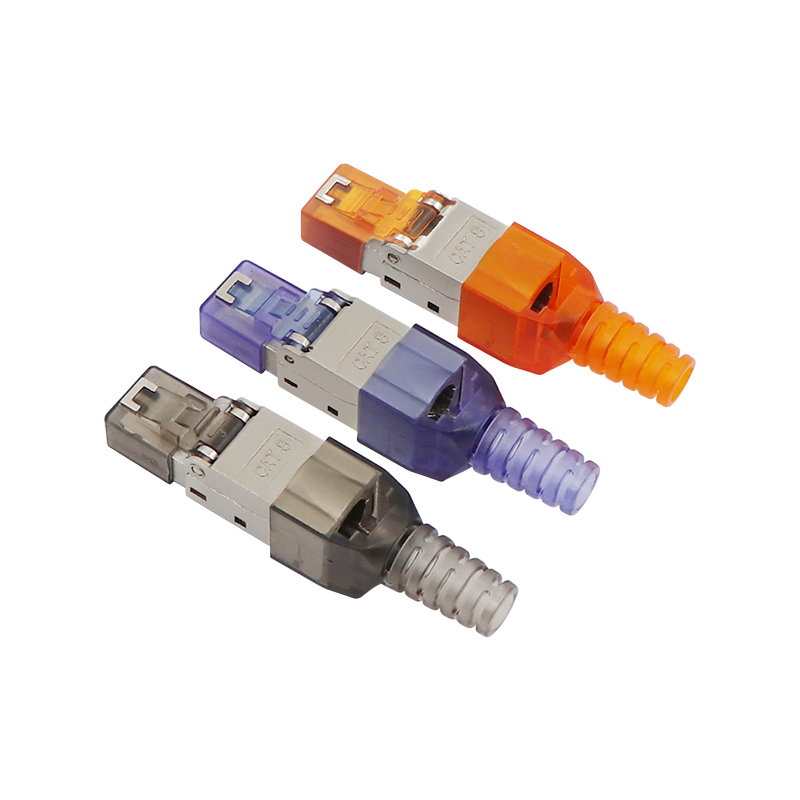
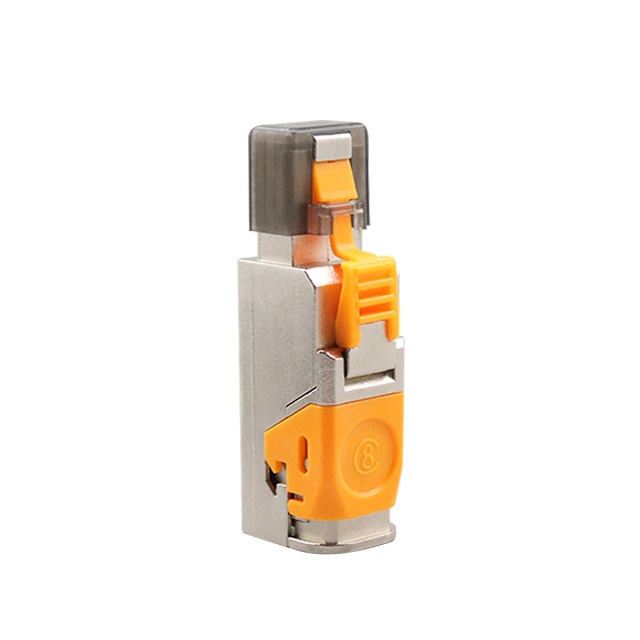
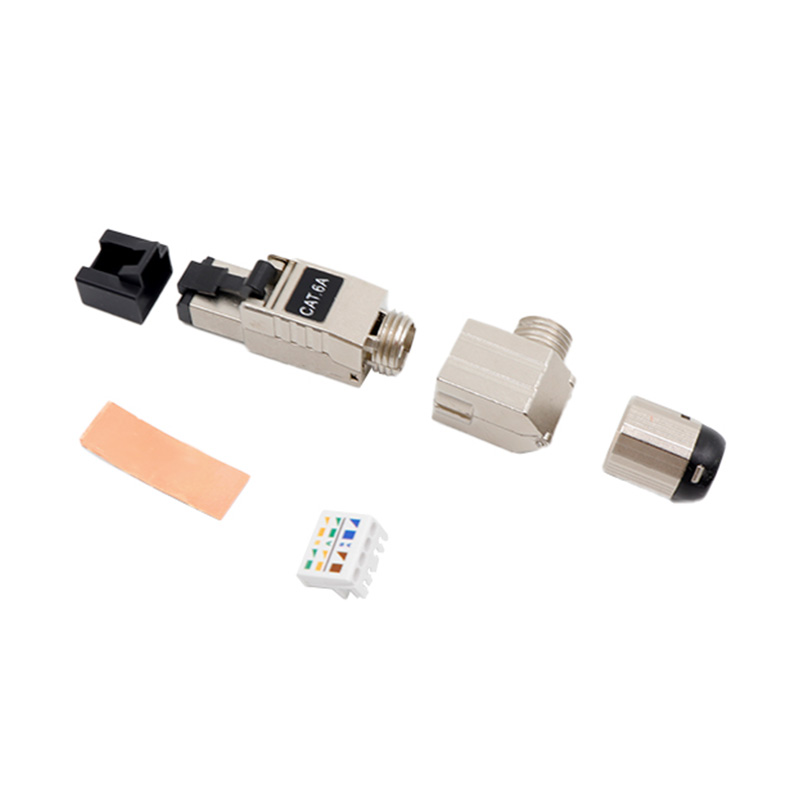
عربىRJ45 Field Termination Plug Manufacturer
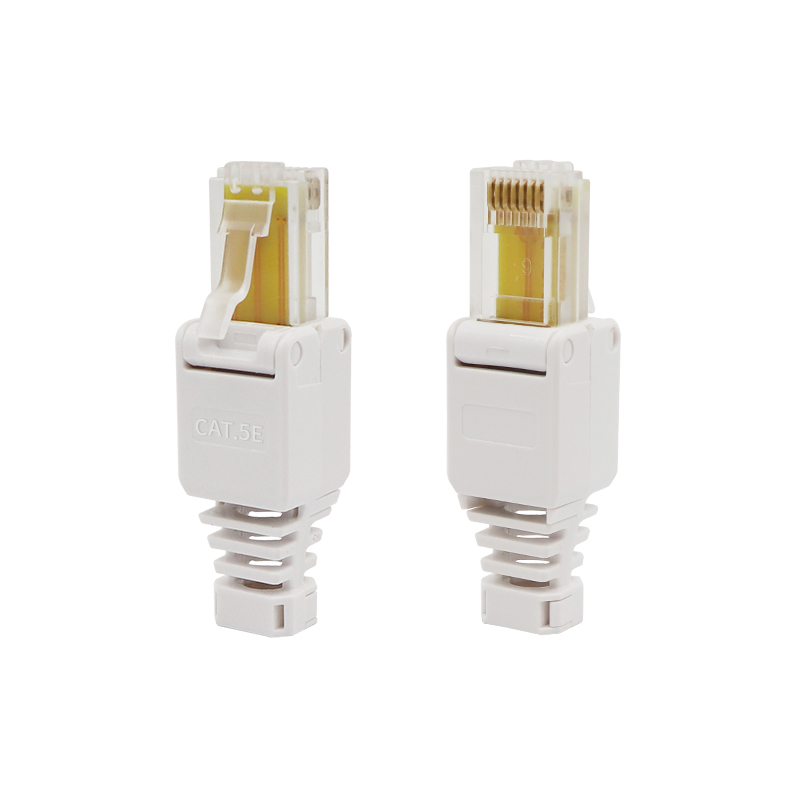
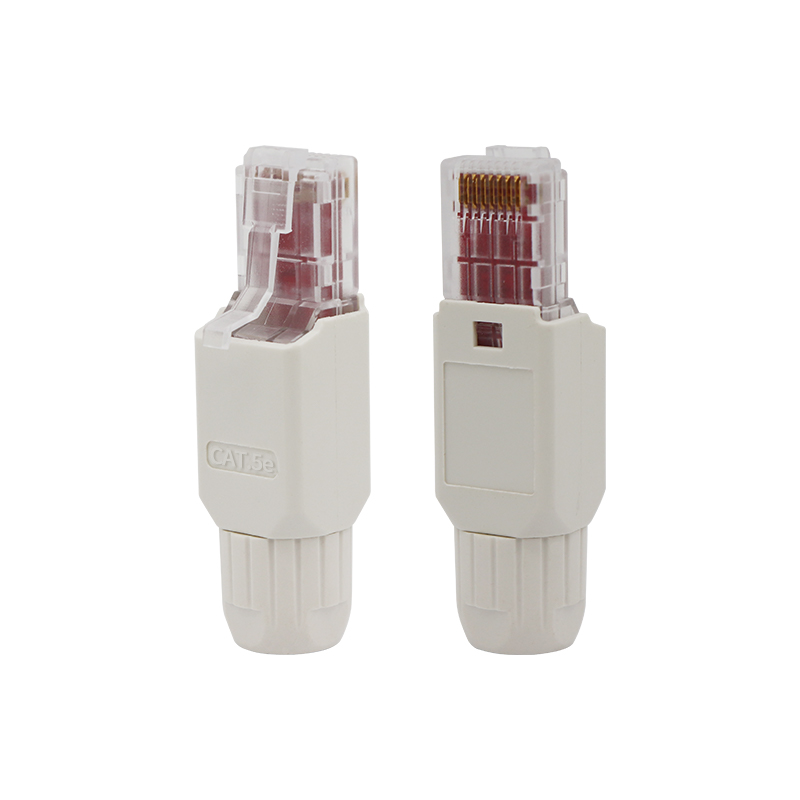
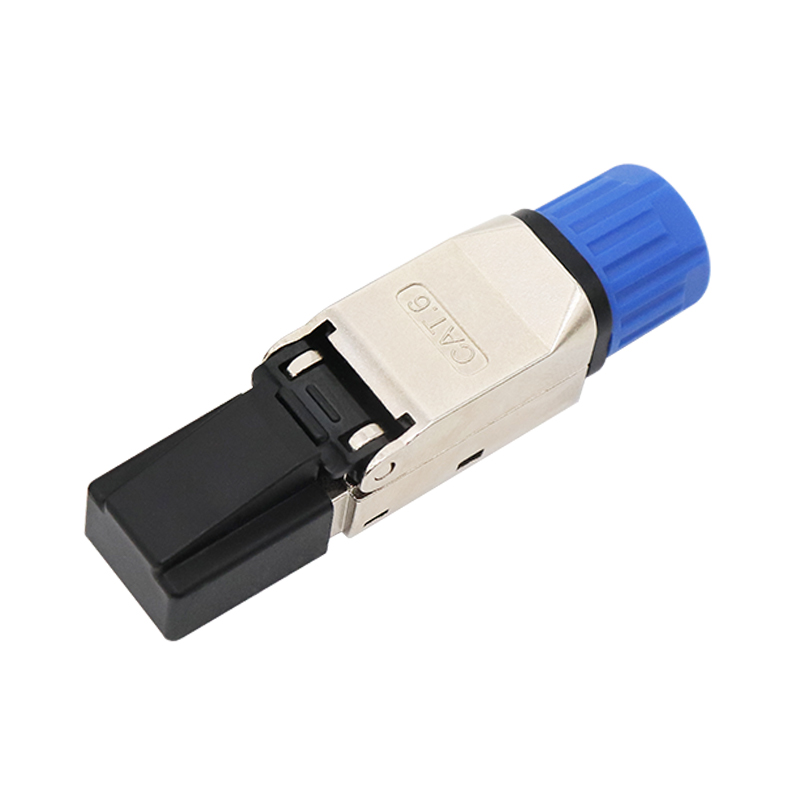
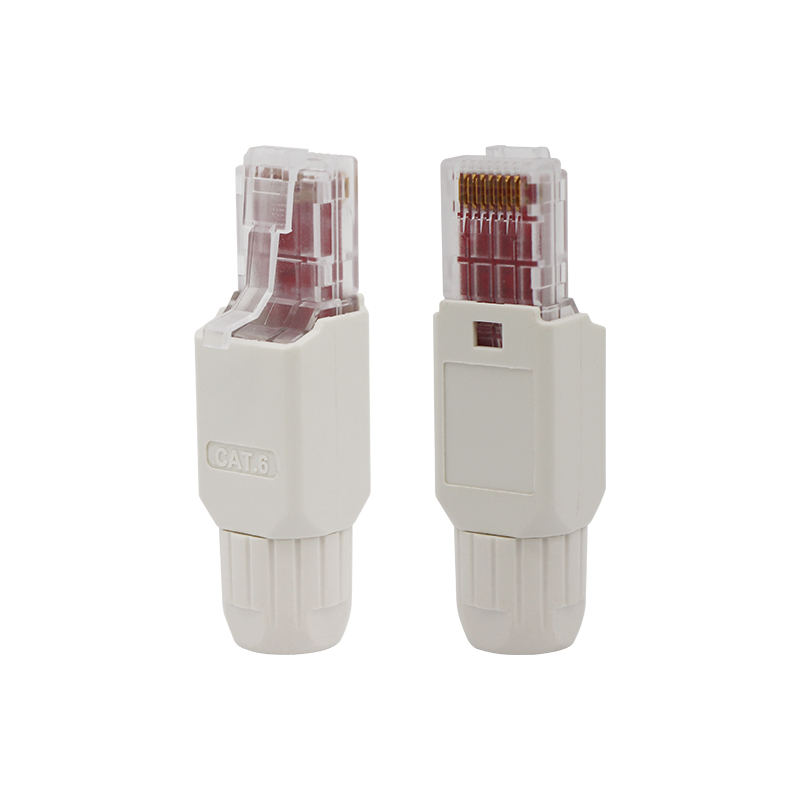
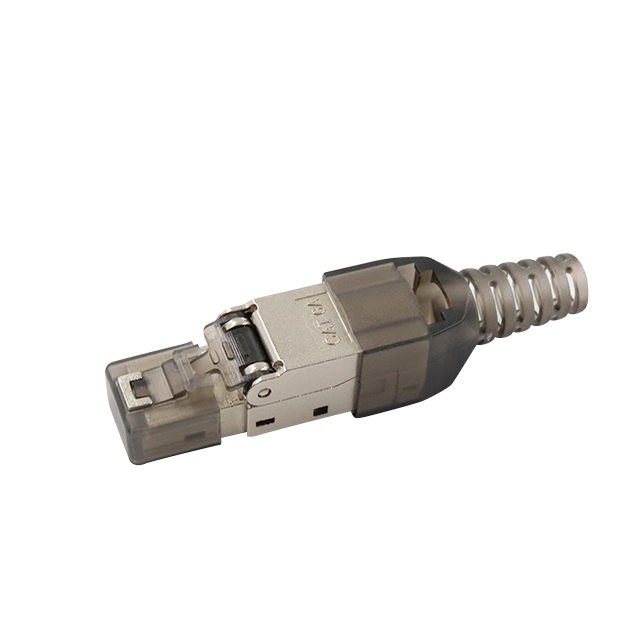
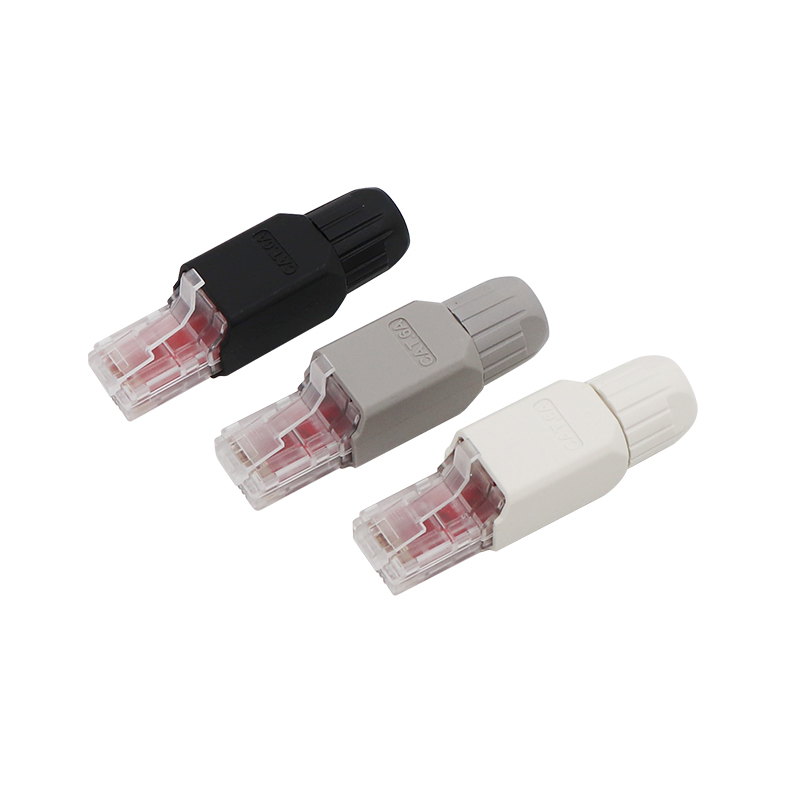
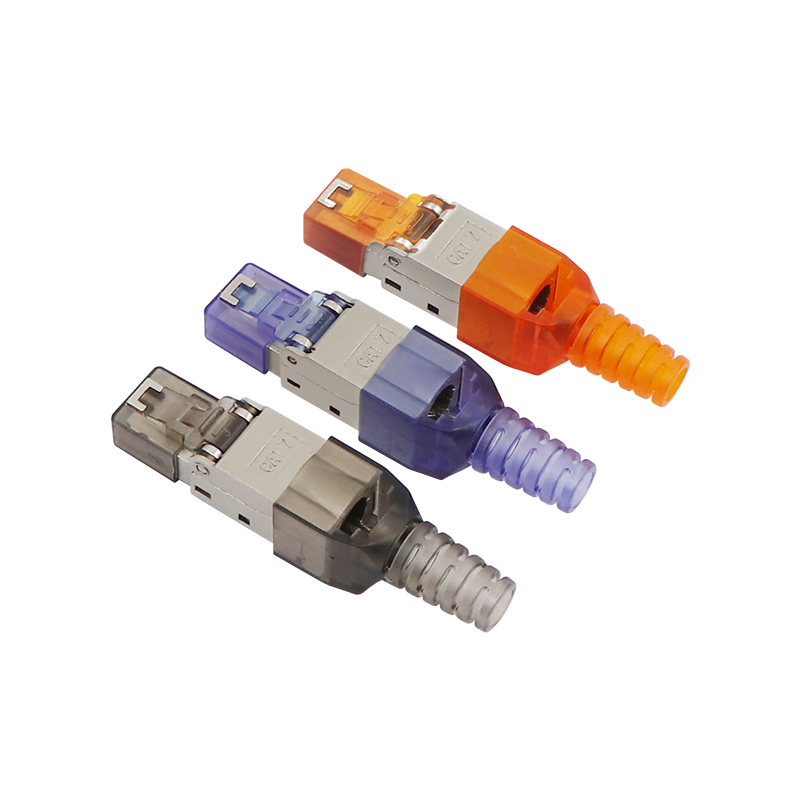
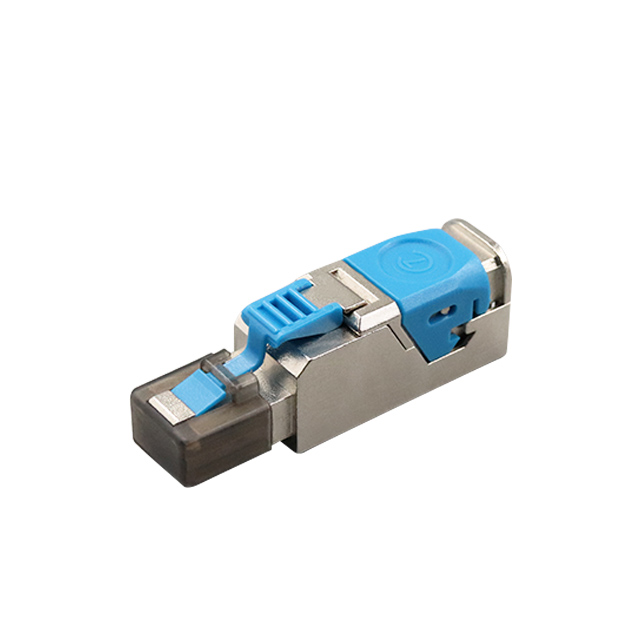
PUXIN Story
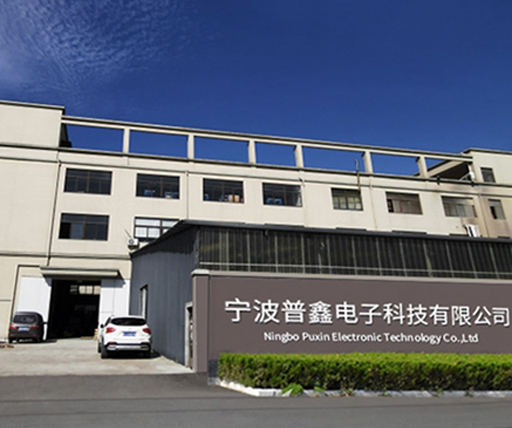
Ningbo Puxin Electronic Technology Co., Ltd has established for more than 15 years, which is specialized in the production of integrated network cabling products and optic fiber products, including copper CAT5E, CAT6, CAT6A, CAT7, CAT8, such as keystone jack, patch panel, RJ45 connector, patch cord, and other related products.
As a China RJ45 Field Termination Plug Manufacturer and OEM/ODM RJ45 Field Termination Plug Factory , Our company has advanced manufacturing equipment, testing equipment, and scientific and quality control methods. We have rich experience in manufacturing OEM and ODM products. At present, our products have been exported to Southeast Asia, South America, Australia, the Middle East, Europe, and other countries.
We sincerely look forward to working together with domestic and foreign merchants to create common development. Friends from all walks of life are welcome to visit, guide, and negotiate business.

Complete And Stable Supply Chain
Our R&D team has more than 10 years of experience in the production and design industry. We can accept OEM and ODM orders, you only need to provide customized sizes and shapes to enjoy professional customization services.

Create Safer Cabling Connections
PUXIN has an on-site engineering team and a mold manufacturing team equipped with complete production lines including stamping, plating, injection molding, automatic insertion and assembly capabilities to ensure that your products meet the requirements of safety standards for all processes.

The Entire Supply Chain is Third-Party Certified
We insist on using new environmentally friendly raw materials. The finished products must pass ROHS and FLUKE testing before they can be sold. Related products have been certified by well-known institutions in the industry such as CCC, CE and ROHS. certificate and holds multiple product research and development patents.
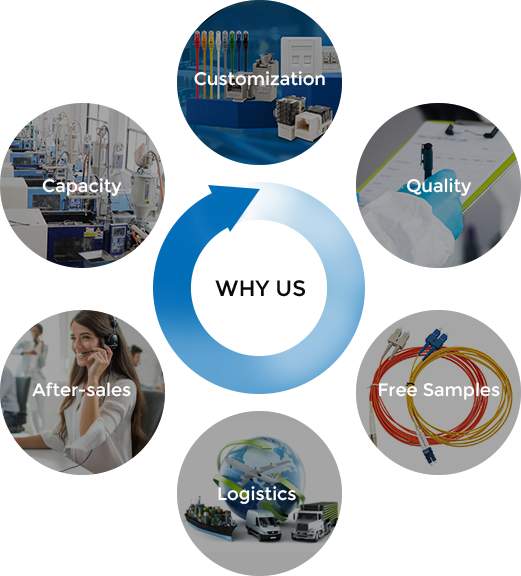
PUXIN Collaboration System
Our goal is to provide the market and customers with customized solutions, whether it is a single product or a complete set of products.
We will respond patiently and carefully to any inquiries and feedback from customers, and provide professional and reasonable quotations.
For any new products from customers, we will communicate with customers very professionally, listen to their opinions and give useful suggestions to ensure high-quality products.
For any orders from customers, we will complete them on time, quality and quantity.
We take the time and effort to solve every problem, no matter how mundane you may encounter it. We will always accommodate you, and you'll find that we speak your language and understand your technical issues. This is why we have been so successful over the years working with our clients from more than 30 countries.
cooperate with PUXIN?
Contact us to find out how our products can transform your business and
take it to the next level.

Ningbo Puxin Electronic Technology Co., Ltd. is a professional supplier of electrical engineering and integrated wiring product research and development and manufacturing.
-

No.43 of Xiaotuanpu Road, Guanhaiwei Town, Cixi Ningbo City, Zhejiang, China
-

-

8615924366333
-